Square Footage You Already Own, Finally Usable
Basement & Attic Conversions in Mineola for homeowners with underutilized spaces that remain unfinished while living areas feel crowded
Attic trusses designed for storage rather than occupancy require structural evaluation before conversion work begins, since adding flooring loads and removing webbing to create headroom changes how the framing system distributes weight. Davenport Custom Remodeling transforms basements and attics into functional living areas throughout Mineola, handling framing modifications, insulation upgrades, and interior system integration that meet code requirements for habitable space. The work includes adding egress windows where required, extending HVAC ductwork to condition previously unconditioned areas, and installing drywall over properly vapor-barriered wall assemblies.
Conversion projects begin with assessing existing structure, ceiling height, access points, and whether electrical service capacity supports additional circuits for lighting and outlets. Basements often need moisture mitigation before framing interior walls, while attic conversions require ventilation solutions that prevent heat buildup without compromising insulation performance. Each conversion is customized based on intended use, whether creating guest accommodations, home offices, entertainment rooms, or hobby spaces that require specific layouts and finishes.
Arrange an on-site evaluation to determine structural and system modifications required for your basement or attic conversion.
How Conversions Add Functional Living Space
Converting unfinished space involves more than adding drywall and flooring—it requires integrating that area into the home's existing systems so it functions like original living space. This includes extending plumbing for bathroom additions, running dedicated HVAC zones to maintain comfort year-round, and ensuring electrical capacity handles increased demand without overloading circuits. Proper insulation and air sealing prevent the converted space from becoming too hot in summer or too cold in winter, conditions common in attic suites when ventilation and thermal barriers aren't properly balanced.
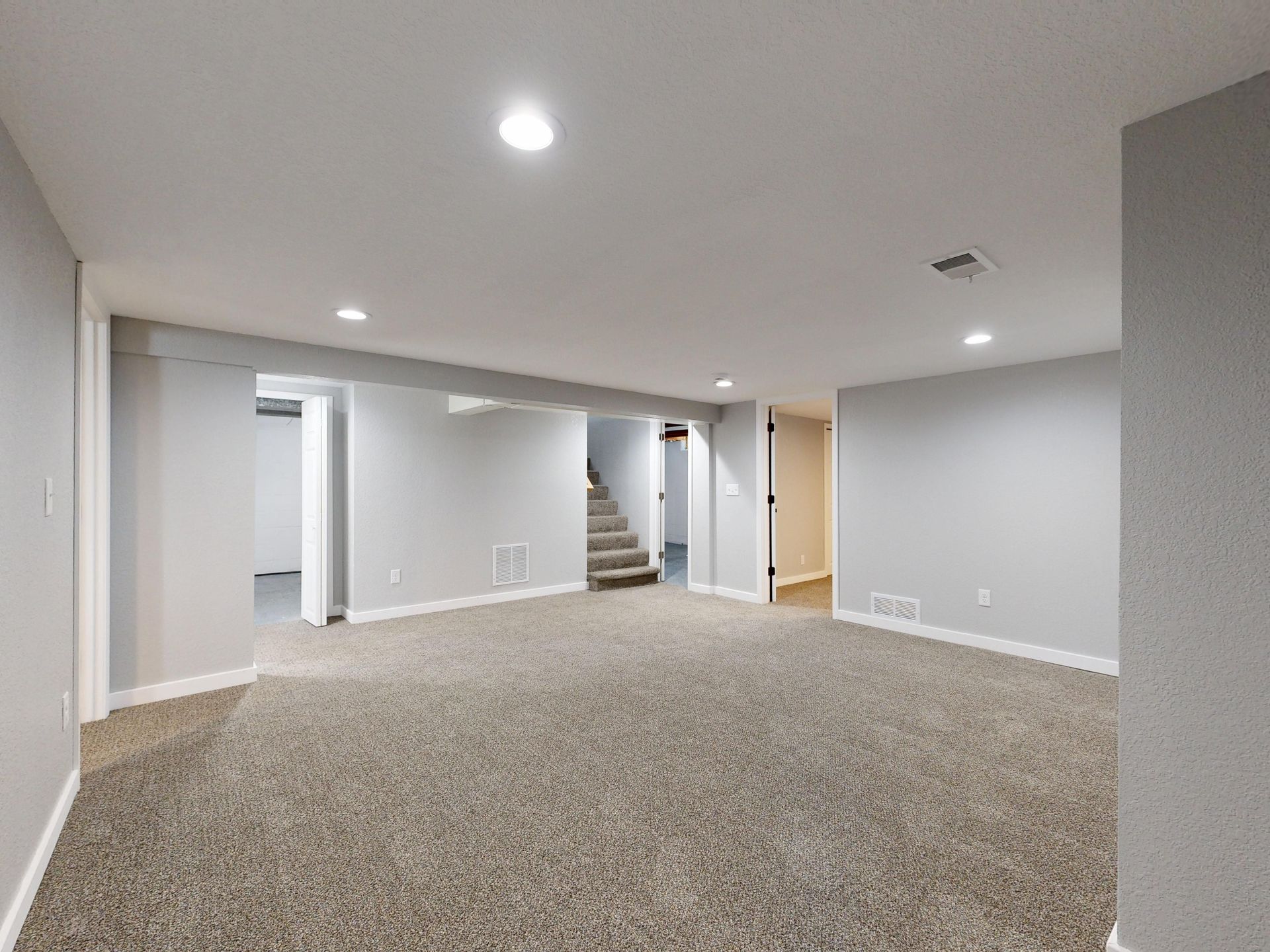
Once conversion work is complete, you gain finished square footage that increases usable living area without expanding the home's footprint. The space includes finished walls, functional lighting, climate control that matches the rest of the house, and floor finishes appropriate for the room's intended purpose. Stairway access becomes safer with code-compliant railings and headroom clearances, and windows provide natural light along with emergency egress where bedrooms are created.
Conversion projects are managed from initial planning through final inspection, coordinating framing, mechanical, electrical, and finish work in sequence. The timeline depends on structural modifications required, system extensions needed, and whether plumbing rough-in is part of the scope, with basement conversions typically simpler than attic projects requiring truss modifications or dormer additions.
Common Questions About Space Conversions
Converting existing space raises questions about structural capacity, system requirements, and how the finished area will perform compared to original living spaces built during initial construction.
What structural concerns arise during attic conversions?
Attic floor joists often aren't sized for living loads, and truss systems may require engineering review before webbing is modified to create usable headroom, particularly when converting storage trusses to habitable space.
How does climate in East Texas affect basement finishing decisions?
Humidity control becomes critical in below-grade spaces where moisture infiltration through foundation walls can lead to mold growth if vapor barriers and dehumidification aren't addressed during the conversion process.
When is HVAC system expansion required?
Adding conditioned square footage increases heating and cooling demand, often requiring additional ductwork runs, zone controls, or even system capacity upgrades depending on existing equipment size and current load.
What determines whether a converted attic can include a bedroom?
Building codes require emergency egress windows, minimum ceiling heights, and access stairs meeting dimensional standards before a space qualifies as a legal bedroom rather than a bonus room.
How do finish materials differ between conversions and original construction?
Material selection follows the same principles, but conversions often involve working around existing structural elements, requiring custom trim solutions and creative layouts that wouldn't be necessary in new construction framing.
Davenport Custom Remodeling handles comprehensive project planning for basement and attic transformations, coordinating all trades through final walkthrough. Contact us to discuss how your existing space can be converted into functional living area tailored to your household needs.